I recently attended the AICD Governance Forum in Sydney. One odd coincidence struck me across the speakers at the event. In the speeches it was a platitude to refer to the current business environment as ‘challenging’. The business environment is evidently complex and fast moving with plenty of shocks. At the same time AI is increasing the speed of business, creating new threats to business models and offering new productivity.
Challenging has become the euphemism of choice for hard or difficult because it seems aspirational and to promise reward for effort. However, there is also an element to which a challenge might be seen as optional, an inevitable test of capabilities or obscure the real hard work required. Surviving, building resilience and growing in this environment is existential as many speakers at the AGS highlighted.
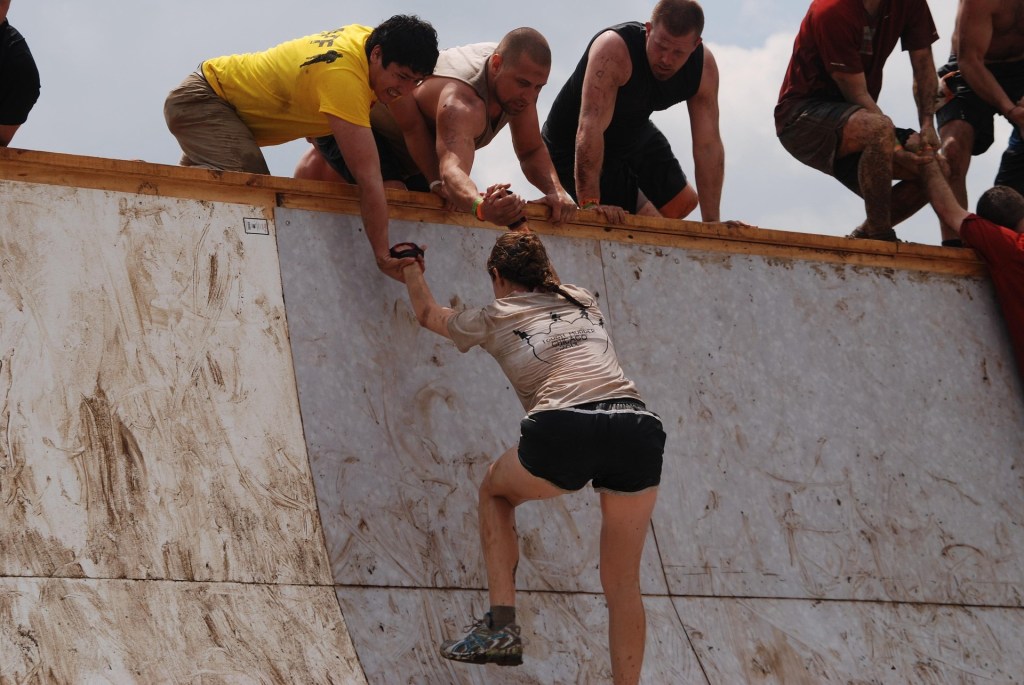
Many years ago, I wrote repeatedly that ‘the obstacles are the work’. It was true then and it’s still true now. Despite the much vaunted capabilities of AI to handle information, tasks and even complex analysis and problem solving, the hard work is still overcoming obstacles in systems, in culture, in human behaviour and rapid changes in a dynamic market. AI may assist us to work more effectively and to do more but we will still have difficult, wicked and hard problems to solve as humans. One of those problems is how we governing the new increasingly complex AI systems we are building. In fact, in an age of AI, it is these problems that are the best application of human talents.
Hard work is good work. We learn and grow by tackling obstacles, working collaboratively and applying human intelligence to making things better. We can’t treat complex work as optional or cover up that hard work is often a drudge and not always immediately rewarding. When platitudes begin to dominate discussion, it’s often better for leaders to speak plainly and call people to the hard work ahead.
Some things are unchanging. The obstacles are always the work. Hard work is good work.
